The importance of writing ACCURATELY about history cannot be understated. As the world around fast changes to new trends and technology, so has our appetite for anything new, regardless of its source or accuracy. The glut of misinformation mounting in print and online is overwhelming, and never before has it been easier for anyone to distort facts and interpret history to suit their needs and motives. Left to interpretation, actual historical events can be at the mercy of the people with limited understanding and skill. In changing the narration about the actual events of the past, we deny others the benefit of truth and reality. Hence we erase from the memory the important historical events that led to why things are the way they are today. Once we’re removed from the truth, we are bound to follow an indoctrination or propaganda blindly.
I was recently invited to attend a book launch of The Punjab Chiefs: The Lost Glory of The Punjab Aristocracy in Punjab and Pakistan because a chapter about my Guruharsahai family’s history is included in the book. The author, Bobby Singh Bansal, had reached out to my family in early 2018 as he was “documenting their past” (Bansal, 2022). The book was sold out within minutes of its launch at the Chandigarh Golf Club event on April 6, 2022. I had to wait several weeks to buy a copy and read the information written about my family. The other day, I got my hands on a copy of this book. As I flipped to the pages about my family, to my utter bewilderment, the author had included unsubstantiated information about the Chiefs of Punjab in Guruharsahai family tree. Had this been a work of fiction, I would not have bothered to write this blog, but it isn’t, so it needs to be corrected for the record and posterity.
In the book The Punjab Chiefs, the chapter on the House of Guruharsahai begins the first two pages with the correct history of the Guruharsahai family, beginning with Jiwan Mal, who named my ancestral village after his eldest son Guru Har Sahai. But then the writer (Bobby Singh Bansal) somehow deviates from thereon. The writer seems to have taken it upon himself to draw an excessive family tree that gives prominence to an offshoot Sodhi family (Autar Singh) who’s related but is NOT the direct descendants of Guru Ram Das Sodhi, and whose family was never the Chiefs of Punjab from Guruharsahai. My father, Haresh Singh Sodhi, once noted that “Since the time of Jimal Mal who was 7th in descent from Guru Ram Das Ji all our ancestors have been living in Guruharsahai.” The writer ignores the closest relatives of the Guruharsahai family, who are the direct descendants of Guru Ram Das Sodhi and whose ancestors resided in Pothimala and Guruharsahai for centuries but handpicked the one name he chose to highlight in this book. To do this, Bansal (2020) arbitrarily deviated the family tree from Guru Har Sahai’s eldest grandson, known as Sodhi Gulab Singh, who had three sons (Sodhi Bishan Singh, Autar Singh, and Kabul Singh).
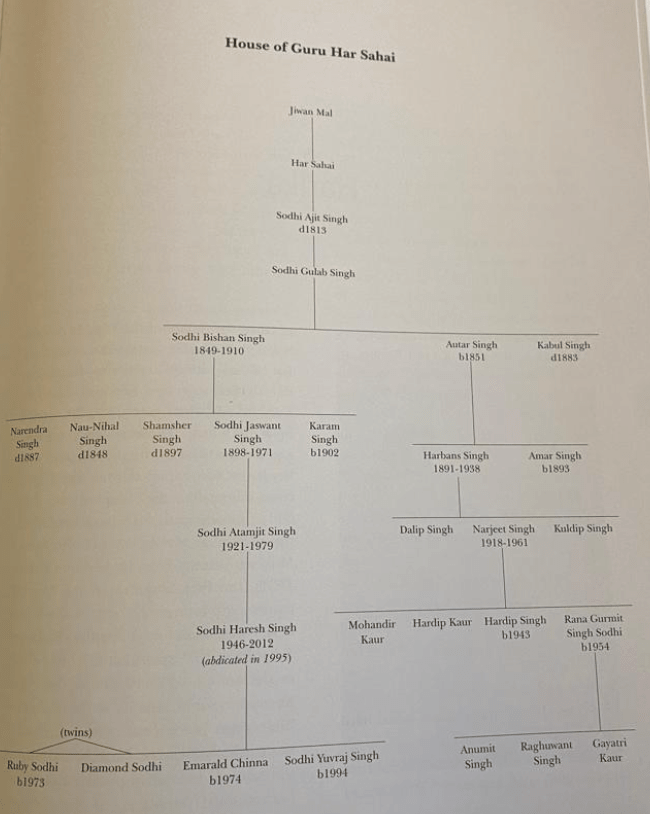
The eldest son was Sodhi Jaswant Singh (the 14th direct descendent of Guru Ram Das Sodhi and my great-grandfather). Bansal not only made a concerted effort to include Sodhi Gulab Singh’s second son’s name, Autar Singh, but also drew a parallel family tree outlining the lineage down to their present generation while barely mentioning the third son’s name, Kabul Singh, and ignoring the rest of their descendants.
What was the reasoning for highlighting a distant relative that is not the direct descendant of Guru Ram Das Sodhi and has little to nothing to do with the Chiefs of Punjab in Guruharsahai? Other than the fact that one of their current descendants, Rana Gurmeet Singh Sodhi, was involved in Punjab’s politics over the last two decades. The author dedicated a page and a half to glorifying the achievements of this politician at a time when Punjab, particularly Guruharsahai, had undergone the worst phase in its history. Crime, corruption, unemployment, and drug abuse have skyrocketed during the past two decades, but this book puts a different spin on the reality of Guruharsahai. Simply put, the House of Guruharsahai chapter of this book is a slap in the face of the real history of Guruharsahai as it ignores the other pertinent Sodhi families more closely related to the Chiefs of Punjab in Guruharsahai. The Punjab Chiefs book’s chapter House of Guruharsahai is disappointing for anyone interested in fair, unbiased, and accurate information about the Guruharsahai family’s historical records unless one supports the indoctrination or propaganda portrayed in this chapter.
In his speech, Bobby Singh Bansal had promised to fill in the gaps of over a century by publishing this book that highlights the lost glory of the chief families of Punjab. In fact, he has denigrated my family’s real place in history. He has overshadowed what Guruharsahai is and should be most well known for after the Sodhi family – Pothimala (www.pothimala.com), a historical site showcasing the family’s rich, descriptive murals, holy relics, and tradition of what it stands for: universal brotherhood. Thanks to authors like Bobby Singh Bansal, places like Pothimala (a 300+-year-old building that contains hundreds of splendidly painted murals bringing together the tales, folklore, rituals, sagas, and historical records from the Mahabharat, Ramayan, Mughal, and Sikh empires that blur the religious lines) would be entirely lost to time.
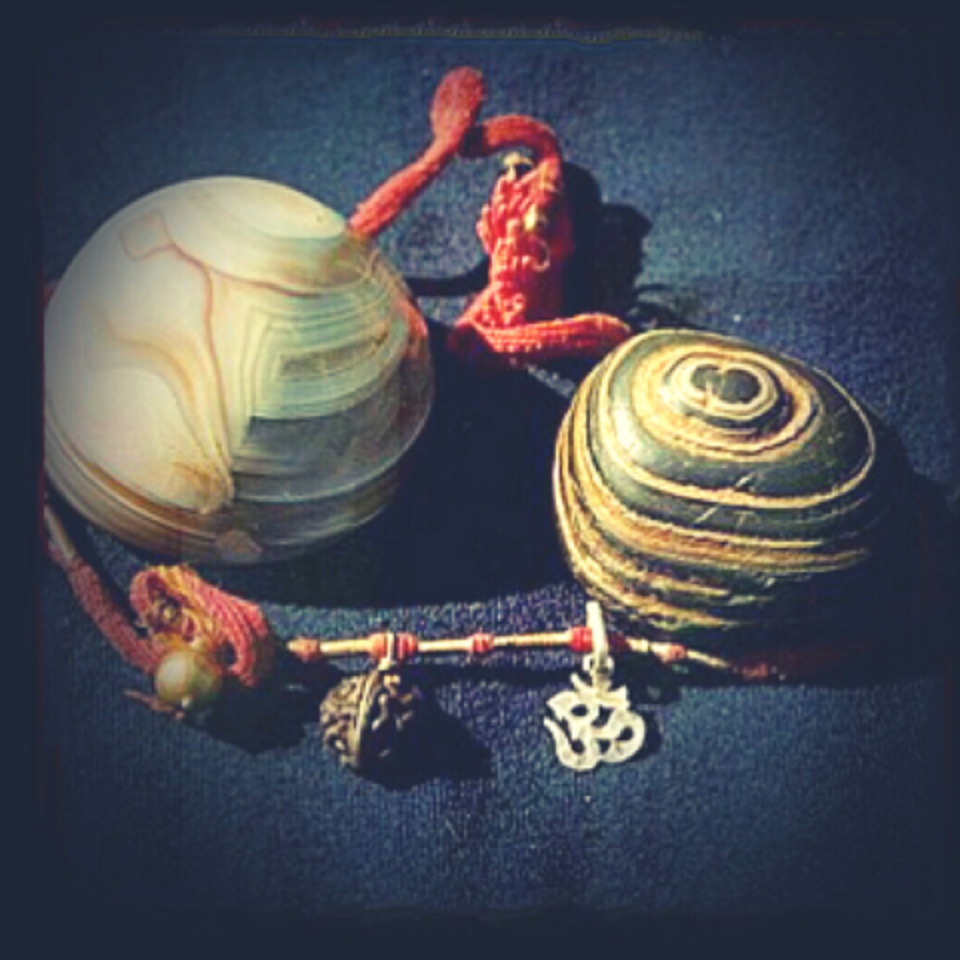
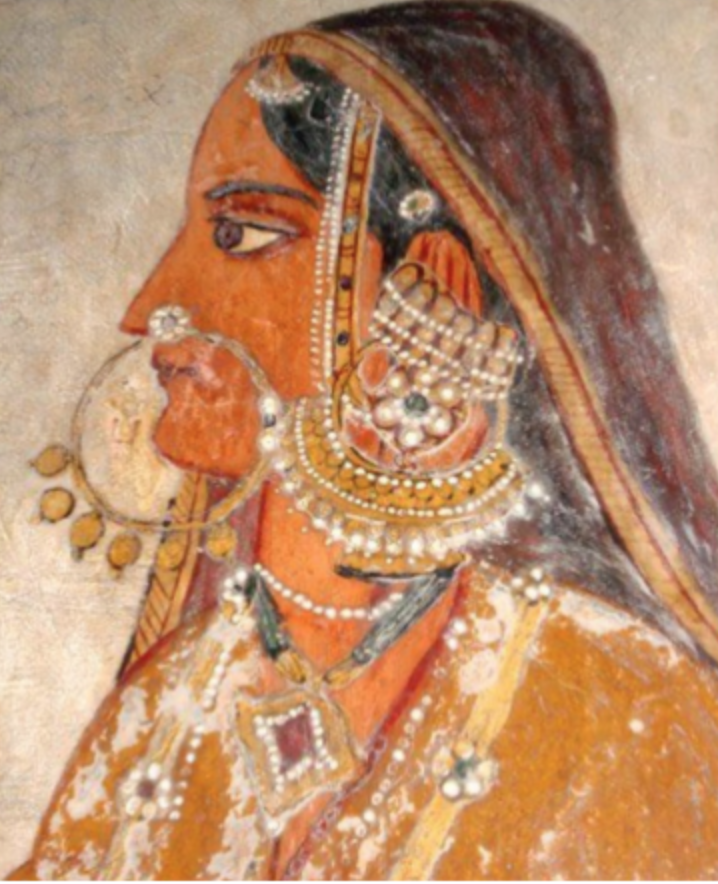
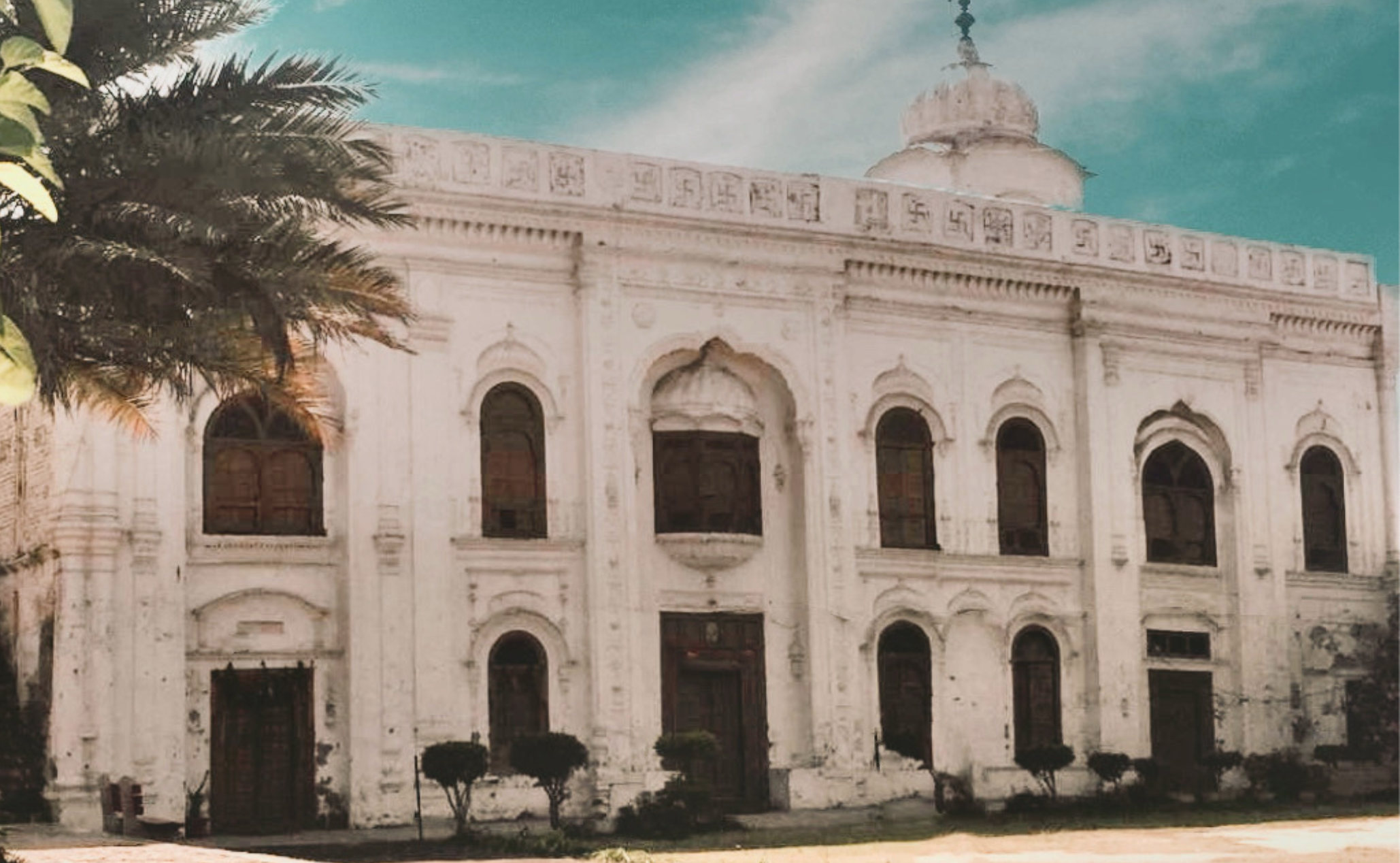
I wish the author had the hunger to chronicle what Pothimala stands for as much effort he put in to glorify a peripherally associated relative who is not one of the Chiefs of Punjab. Bobby Singh Bansal wrote incredible accounts of Rana Gurmeet Singh Sodhi’s political successes and achievements in shooting championships but failed to write about my grandfather, Tikka Atamjit Singh Sodhi who was the 15th direct descendent of Guru Ram Das Sodhi; who was educated at Aitchison College in Lahore; who won national championships in double trap and skeet shooting, who was given the best sailor award by V.V. Giri, and who was the chief of the Guruharsahai family.
The flood of disinformation surrounds our everyday life. The least we can do is set the record straight. In that attempt, I want to also note that the writer, Bobby Singh Bansal, plagiarized the writing I sent him in 2018, in which I had provided a written description about my family. I have no problem with him using my writing, as long as he had paraphrased it or used it within quotes. But to simply put it in his book as though it is his own writing is not acceptable.
A giant vacuum still exists, and The Punjab Chiefs book’s chapter House of Guruharsahai only adds more disinformation about my family. The Gazetteer of India, published by the Revenue Department of Punjab in 1983, noted that Sodhi Bishan Singh had “given away to his brother Autar Singh half of the property, except the abadi land, for his lifetime.” Autar Singh is Rana Gurmeet Singh Sodhi’s earliest ancestor in his family tree noted in The Punjab Chiefs book, but the writer neglects to point out this crucial historical fact that the lands were never returned to the rightful owners, the direct descendants of Guru Ram Das Sodhi.
On the other hand, our distant relative (Rana Gurmeet Singh Sodhi), whose name has now been added by Bobby Singh Bansal to the book chapter House of Guruharsahai, has allegedly received more than one compensation for the lands from the government, lands which were given to his ancestor, Autar Singh, only for his lifetime. Even though Bobby Singh Bansal acknowledged that he was “only documenting their past,” his research missed identifying these vital facts which are publicly available. It also undermines the Guruharsahai family’s suffering from a barrage of problems under an independent Indian government. The reality of what families like mine are going through is unprecedented. To deny this truth is to fool yourself and others. This blog is my effort to set my family’s record straight.
The work of writing Guruharsahai’s accurate history is unfinished but I’m confident that it will find its rightful narrator who will do justice to its history and shine a bright light on the true reality of the Guruharsahai family and the area have endured through the ages.

 Ruby's Musings