
Although I’ve spend a large part of my career in higher education, I’m very interested in exploring how similar or different things are in other industries in terms of hiring new talent, onboarding processes, as well as designing, developing, and evaluating new and existing programs!
The coronavirus pandemic is our opportunity to look at what we do from newer perspectives and I want to use this time to explore topics that bring our organizations and people together. Remember, we’re in this together!
Anyone who has given their fair share of interviews and read a plethora of information available in online blogs, articles, and videos knows how debilitating and disconcerting the whole process can be.
While my career trajectory shows increasingly responsible roles, I have experienced a fair amount of inconsistencies in the hiring practices in higher education. I have focused my entire career on developing skills and experience that would make me an asset to an organization, and I believe in “going the distance” with an organization. But I have not had that type of luck.
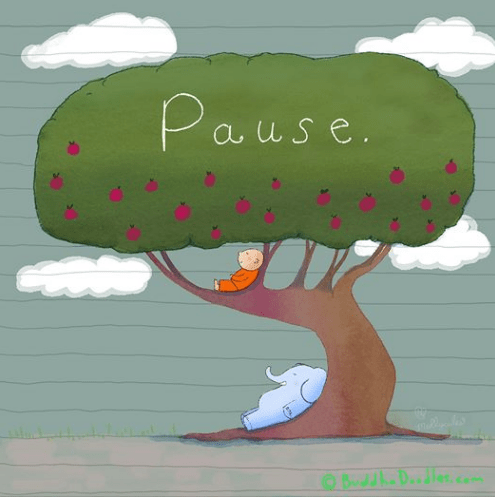
I’ve interviewed for jobs that I knew I was well-qualified for and could add value. Still, many of those opportunities didn’t go any further than the final interview. From being told by the hiring managers point-blank that although I’m well-prepared, I’m not the only candidate or asking me to notify my professional references, but they never called. The coronavirus pandemic, also known as COVID19, and the ensuing lockdown, should cause everyone to pause and think. Pause and think about what roles and relationships do we bring to play at work.
Think about how we look for new talent. Think about how we address our implicit and explicit biases in hiring practices. And how do we know someone is the best fit for an organization based on our conventional hiring practices, especially in times of agonizing disruption and uncertainty.
The coronavirus pandemic has been nothing less than the proportion of a storm that has disrupted the very fabric of what we previously saw as usual and ordinary. But let me first go back to what has been my most common experience in the domain of interviewing, to receive a generic email from human resources regardless of the job I applied. It would state something along the lines of ‘thank you, but no thank you.’ And the explanation would unabashedly be the same: how strong the pool of candidates was and how difficult the decision was for each selection and subsequent rejection.
But research shows that when interviewing, we decide whether we like, trust, or want to work with someone within 20 seconds of meeting them. According to Vanessa Van Edwards, a behavioral investigator, all you have to do is master those 20 first seconds to create great first impressions and landing the job. Similarly, researchers at Tufts University have found that whether we like it or not, everyone makes a snap judgment when we see someone.
My interviewing experiences have taught me that HOW people hire is very critical to WHO they end up hiring. If hiring committees are ill-prepared to ask the right questions and are unaware of their shortcomings in teams, programs, and processes, how will they hire the right person for a job? Research shows that 75% of workers experience a high degree of stress in the workplace.
We’re now living in a state of the coronavirus pandemic, and nothing will be the same as before. This state of being is by no means a temporary disruption, but a slow-moving permanent change in how we will think, work, engage others, build relationships, and how will we hire and bring new people into our organizations and lives.
Whether we like it or not, we are now in uncharted territory. It is hard for anyone to predict what skills we will most need in our organizations to forge ahead, except this is the start of an entirely new way of thinking – a reset in how we hire and who we hire.
The coronavirus pandemic crisis has shown us that it is a global phenomenon. While the United States has enormous resources at its disposal, it is a matter of organizations getting better organized and building on its social capital to stay ahead of the curve.
It is no longer just about the ‘bottom line’ but the ‘bottom-up’ approaches that will define our collective progress and resilience. How well we hold ourselves in personal and professional settings will be a matter of how effectively we can adapt to the changes that are shaping this new reality of working remotely and social distancing.
As we move further in the age of knowledge and information, social distancing will be more about how we develop more creative ways to live, work, and forge relationships, not limit them. As we take this time to stay home and work/study from home, we must grapple with the enormity of the post-coronavirus era.
Nobody wants to go back to the nuances of office politics, a toxic work environment, crummy culture, and the accompanying stress that we might have endured at some point in our work. It is now time to pause and think about how we want this new normalcy to look.
One of the most extensive public opinion surveys was conducted globally in 1999 by Toronto-based Environics International Ltd., interviewing 25,000 average citizens in twenty-three countries. The results showed that two out of three want companies to go beyond their traditional role of making a profit, hiring people, and obeying the laws, to also contributing to the broader social goals. How the coronavirus pandemic will change us only time will tell. But it is undoubtedly a time for a reset.
A reset in how we think, behave, and treat others. A reset in what our priorities are, and a reset in how we hire other people into our organizations. This ‘time out’ is a rare chance for us to think about what kind of a world we want to help shape for ourselves and our future generations.
It is time for us to pause and think. It is time for a reset.

 Ruby's Musings
The coronavirus pandemic is the classic “the boy who cried wolf” story we all may have heard. Still, nobody in the US believed that an outbreak that started in other countries (like the SARS, Swine Flu, Ebola, and the Zika virus) would lead to a complete national lockdown for the people and the economy like it has. Each day is an uncertain reality of what lies ahead and how we might fully mitigate the threats of the coronavirus. What are some of the key skills companies should look for when hiring in this new reality?
LikeLike
Here’s an excellent post by Arundhati Roy who exposes the grim reality of the coronavirus pandemic on the world and our slow response:
https://www.ft.com/content/10d8f5e8-74eb-11ea-95fe-fcd274e920ca?fbclid=IwAR3BySWsPIv1Z0Rf4gZGkVUsJ5eVBrySB7JYw8KKd-muPMEA8t0zhpsalk0
LikeLike
Here’s an article by Alex Edmans sharing ideas about “Now is the time to make employees as important as shareholders,” and how the COVID19 crisis has “quickly revealed the cracks in the business models of many companies.” http://markccrowley.com/alex-edmans-the-choice-between-people-profits-is-a-false-dichotomy/
LikeLike
Here’s an article about how the pandemic will change higher education. I agree with many of the points the author made but it is still too early to see many of the big changes that are shifting our world.
https://www.chronicle.com/article/How-Will-the-Pandemic-Change/248474?key=Q-8a5P7D5OHujVB3ZSRDR1GphAxyJHteTzvSQOkhcVQD5MtPBXKCPh-DWXbb-Sfhdms2YmlfdmpYbVhMdk8zdDI4aU9RVHF4ZG1Qbkhwa0dxMWZaMTA2VFBHcw
LikeLike
In this blog, I’m looking at how organizations will change their hiring practices, if any, given that everyone has had a setback in their lives because of the coronavirus pandemic. What organizations saw as important or must-have soft skills (for example teamwork, time management, prioritization, etc.) to help them grow prior to the coronavirus pandemic may not be as critical now because what we might need more of not the same but soft skills like having a high degree of emotional intelligence, being able to adapt quickly to disruption and change, perseverance, grit, etc.). The focus of most organizations has been on growth and success and this new reality demands looking at priorities differently and thinking past those standard goals to how to survive and thrive during the hard times, and what attributes they really should be looking for in potential employees who can help them make it past these tough times. To put it another way, we tend to applaud those who’ve ‘made it in life’ and not the ones who have been struggling throughout but the fact is what failure teaches you success cannot but most organizations tend to look at each scenario from a different lens (success and failure/average/mediocre). By allowing ourselves to pause and think about how we look at everything can create a new understanding of how the world is changing and how must we fully adapt and evolve. That includes our hiring practices.
LikeLike
I enjoy reading posts by Bruce Kasanoff, who publishes mostly on LinkedIn. Here’s a post he just published #pausewisely. He makes some of the same points I have raised in my post above. https://www.linkedin.com/feed/hashtag/?keywords=%23pausewisely
LikeLike